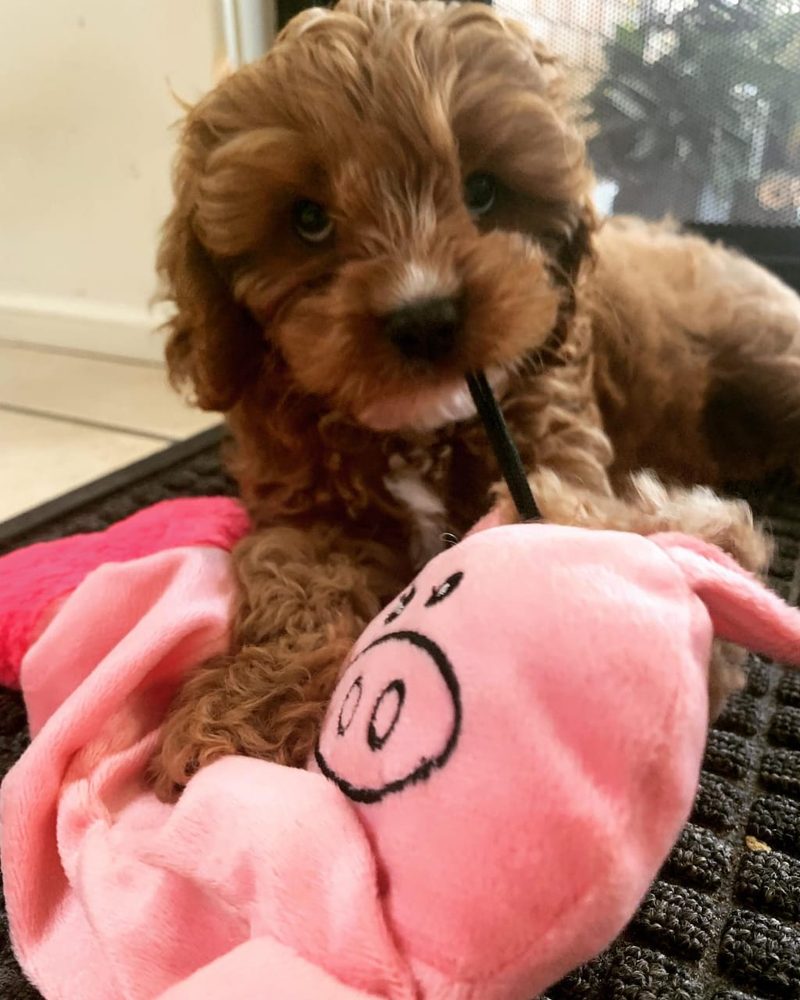
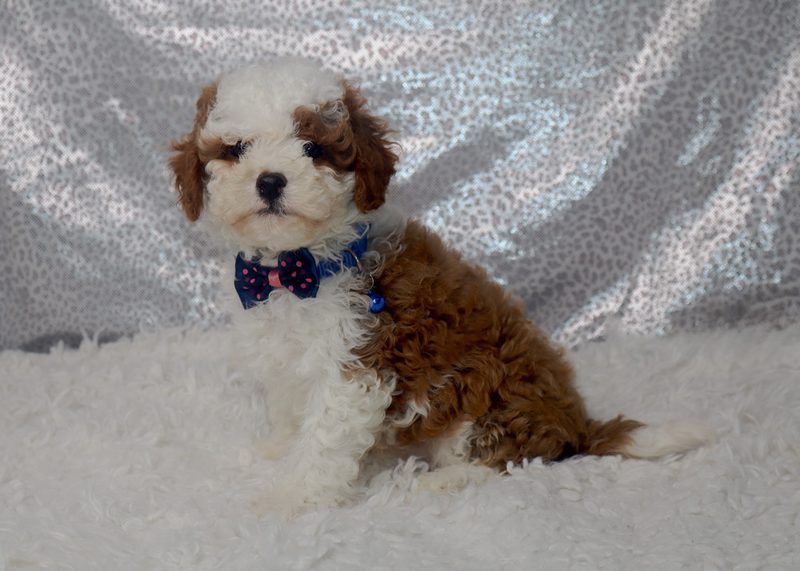
Getting children involved and informed before your puppy arrives helps set realistic expectations and builds a safer, calmer introduction.
For Toddlers
Toddlers won't fully grasp gentle handling instructions yet, so supervision is non-negotiable - never leave a toddler and puppy unsupervised, even briefly. Practising calm, quiet behaviour around the puppy's sleeping and eating areas helps toddlers learn appropriate space.
For Primary School-Aged Children
This age group can generally learn and practise gentle handling, appropriate play, and simple care tasks like filling a water bowl under supervision. Talk through what to do if the puppy nips during play (calmly stop the game, rather than reacting with a loud yelp or punishment).
For Older Children and Teens
Older children can take on more responsibility - short training sessions, feeding, grooming help - which can build a strong, rewarding bond, while parents oversee consistency in commands and rules.
Setting Expectations
Prepare children for the reality that puppies sleep a lot, need calm handling, and require patience during toilet training - managing expectations early reduces disappointment and frustration once the puppy arrives.
Building the Bond Safely
Structured, supervised time together - short training sessions, calm cuddle time, gentle play - builds trust between your Cavoodle and your children far more effectively than unstructured free play alone.