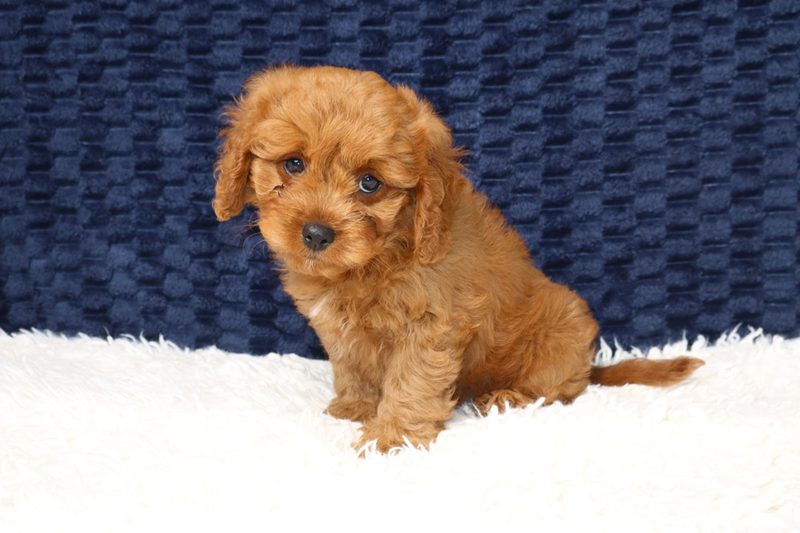
Because Cavoodles bond so closely with their families, they can be more prone to separation anxiety than some breeds if independence isn't built in gradually from the start.
Start Small, Early
From the first days home, practise very brief absences - leaving the room for a minute, then returning calmly - well before you need to leave for longer periods like work or errands.
Avoid Dramatic Departures and Arrivals
Keep leaving and returning low-key rather than a big, excited fuss - this helps your puppy learn that departures aren't a big deal and don't need to trigger anxiety.
Build Positive Alone-Time Associations
Offer a puzzle toy or long-lasting chew only during alone time, so your puppy associates being briefly on their own with something enjoyable rather than purely stressful.
Use Crate Training Alongside Alone-Time Training
A well-established, positive relationship with their crate (see our Crate Training Guide) gives your puppy a secure space to settle when you're not in the room.
Recognising Early Warning Signs
Excessive vocalising, destructive chewing focused around exits, or toileting accidents specifically when left alone (despite being otherwise toilet trained) can indicate developing separation anxiety - address these early with a vet or qualified trainer rather than waiting for it to worsen.
Building Genuine Independence
Gradually increasing alone-time duration, ensuring adequate exercise and mental stimulation, and avoiding constant physical contact with your puppy at all times all support healthy independence alongside the strong bond Cavoodles naturally form.